
About
Runners, athletes, and the injury most people get wrong.
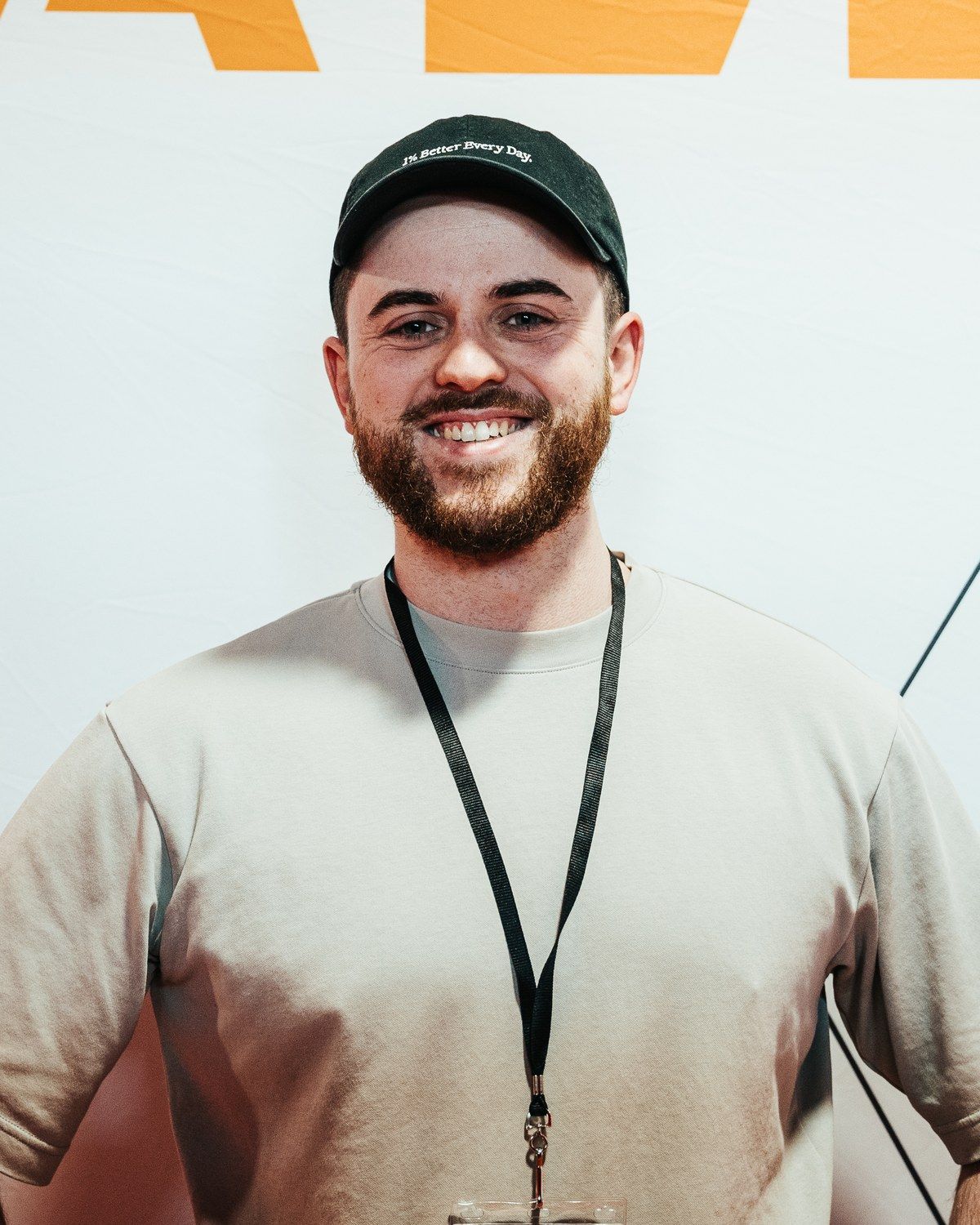
The short version
I am a sports physiotherapist in Sydney. I work with runners and with athletes whose sport involves a lot of running, across the whole spread of injuries that come with that, and I have made bone stress injury my specialty.
That specialty was not a business decision. Bone stress injury is one of the most devastating, and least understood, injuries in sports medicine. It sits in an awkward gap: too specific for general musculoskeletal practice, not surgical enough to belong to a surgeon, and slow enough that people lose whole seasons to advice that amounted to rest and hope. Get good at the hardest one and the rest of the caseload gets sharper too.
The population I work with are, affectionately, maniacs. They want to move and go do things. Telling them to stop is both unhelpful and usually unnecessary. Almost all of the skill, whether it is a bone, a tendon or a muscle, is working out how much load to take away, for how long, and what to build in the meantime so the thing that failed comes back stronger than it was.
How I think about it
Injury is load exceeding what the tissue could take. Rehab is rebuilding what it can take.
Everything follows from that. It is why I test capacity rather than guessing at it, why the strength work is genuinely heavy, and why progressions are tied to criteria you have to meet rather than to weeks on a calendar. Bone responds to short, sharp, varied loading and gets bored quickly, so programs get built around that rather than around accumulating volume.
I read every scan myself and assume nobody has looked at it properly yet. Not because other clinicians are careless, but because the subtle ones are genuinely subtle, and the difference between a low risk bone and a high risk one changes the entire plan.
Where the research is good, I will cite it. Where it stops and I am working from experience, I will tell you that too. The evidence in this area is robust but incomplete, and pretending otherwise does nobody any favours.
Hundreds
of bone stress injuries managed end to end
Hundreds
of return to run programs built and tracked
1,000+
runners and athletes treated across clinic and high performance settings
Teaching and tools
Alongside the clinical work I mentor physiotherapists and allied health clinicians one to one, run co-consults on their harder cases, and present to clinics and conferences around Australia on bone stress pathophysiology, assessment, imaging and management.
I also build the software the practice runs on, because what existed did not do what these patients needed. Programs are generated, tracked and updated in tools I wrote, which is why your plan is something you can look at and follow rather than a document you were emailed once.